
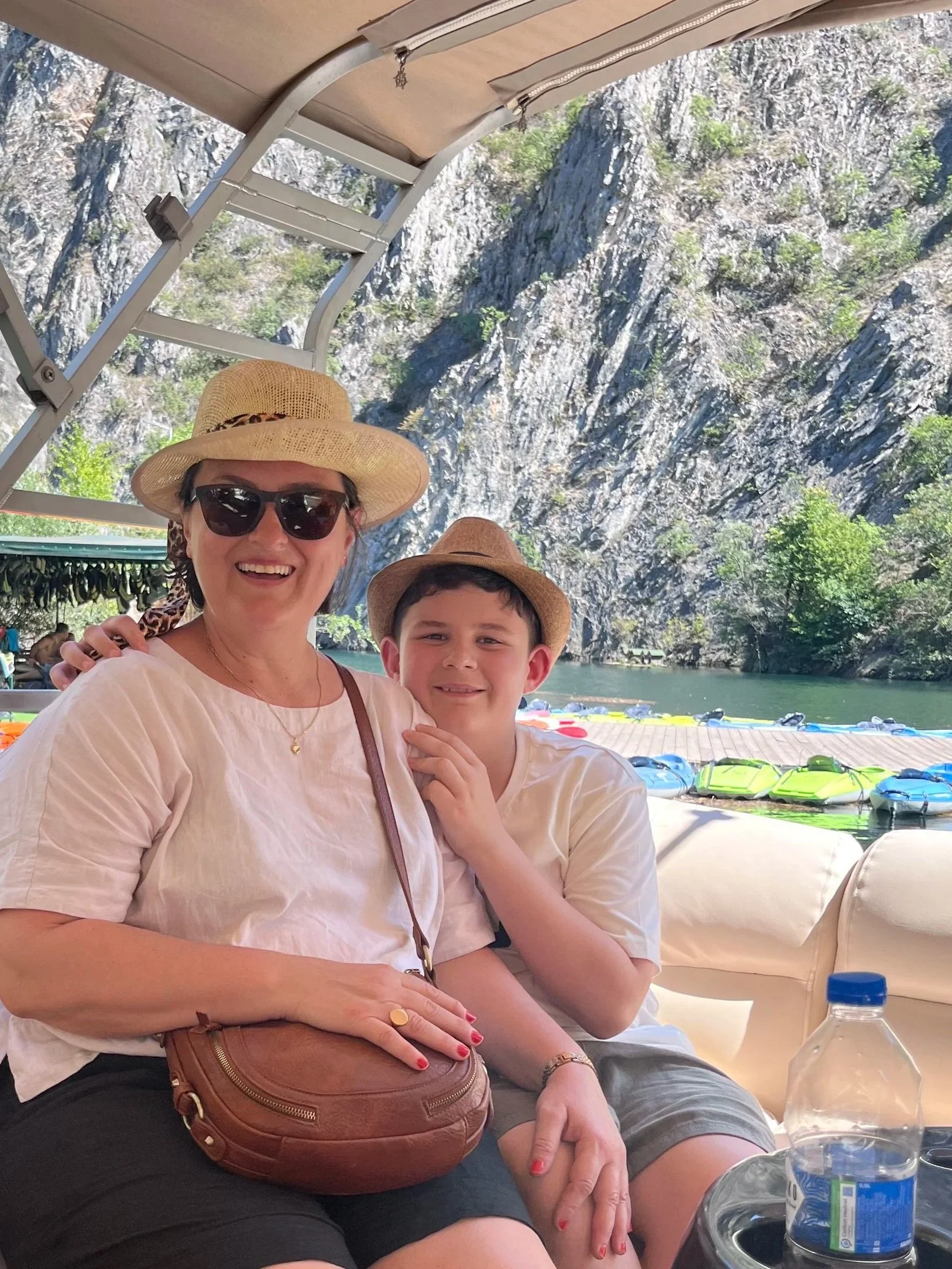
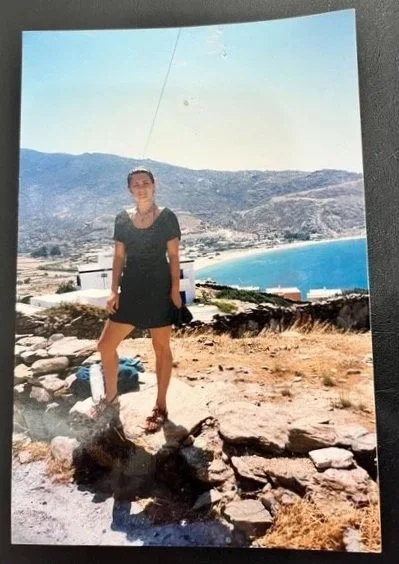
Trip recently to Macedonia… and BELOW: me when I was there at 21-years-old
My recent trip to Europe was always going to be special, but I returned to Melbourne with something I hadn't quite expected.
My parents were both born in Macedonia in neighbouring villages, and although I grew up in Australia, the stories, traditions and memories of my heritage have always been part of my life. I’d heard stories through the years from the older “relos”.
The last time I visited Macedonia was in 1996, when I travelled with my brother Jim. I was 21 and he was 19, and we were backpacking through Europe.
This trip was different. At 51, I found myself looking at the world in a completely different way, with a greater interest in my family history and the people who came before me.
I wanted to understand more about where my family came from, how they lived and what mattered to them. I was curious about the architecture, the buildings' history, how they styled their homes, the food, the atmosphere of the cafés and restaurants, and the little details that made it what it was. Somewhere along the way, I realised I felt very much at home.
I was particularly pleased to take my son Danny with me on this trip. I wanted him to see where his family roots began, meet relatives and experience a different way of life. I hope the experience has inspired his curiosity about his heritage and encouraged him to keep exploring the world as he grows older. Perhaps, in years to come, he will return with his own questions and discover things about his family and himself that he hadn't before.
Stepping back in time
One of the most meaningful parts of the trip was visiting the villages where my parents were born and spending time with relatives. Both of my parents' childhood homes are gone now. Many older houses in the villages have fallen apart over the years. During the 1970s, many young people left Macedonia for countries such as Australia, Canada and America in search of greater opportunities. As their parents grew older and passed away, some villages gradually became tiny, with hardly any families left. It was sad to see that the homes my parents once knew no longer existed, and I was grateful to have photographs from our previous visit, which helped me picture the places my family once called home.
Yet, even with those buildings gone, the stories my mother, father, grandmother and aunties had told me throughout my childhood suddenly felt real. I could still picture the places they spoke about and better understand the lives they had lived. Macedonian black coffee aromas wafting onto the streets in the morning convinced me I’d stepped back in time. And the savoury smell of roasted piperki capsicums hung around some houses like an old friend who never wants to leave.
I also loved being able to speak Macedonian and communicate with my relatives and the local community. There is something special about knowing the language of your heritage. It created a connection and sense of belonging I can’t put into words.
I had originally thought about travelling to places such as Italy and Greece, but once I was back in Macedonia, I didn’t want to leave. I wanted to learn more about the place that had shaped my family. The experience reminded me that some of the best journeys aren't about seeing as many bucket-list destinations as possible, but about taking the time to understand a place and the connection we have to it.
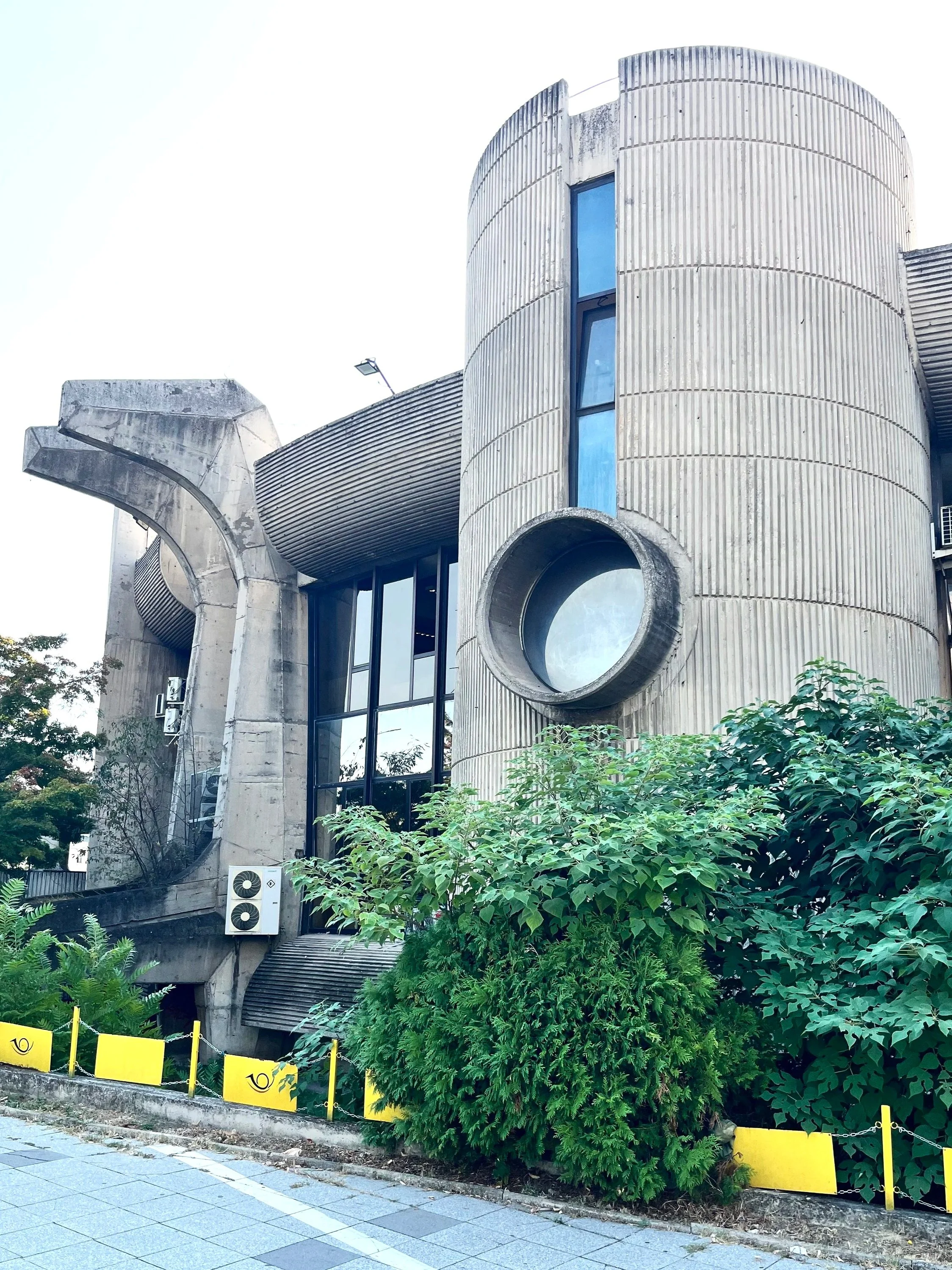
One of the Brutalist buildings
Seeing familiar places through new eyes
This time, I found myself noticing things I would have overlooked at 21.
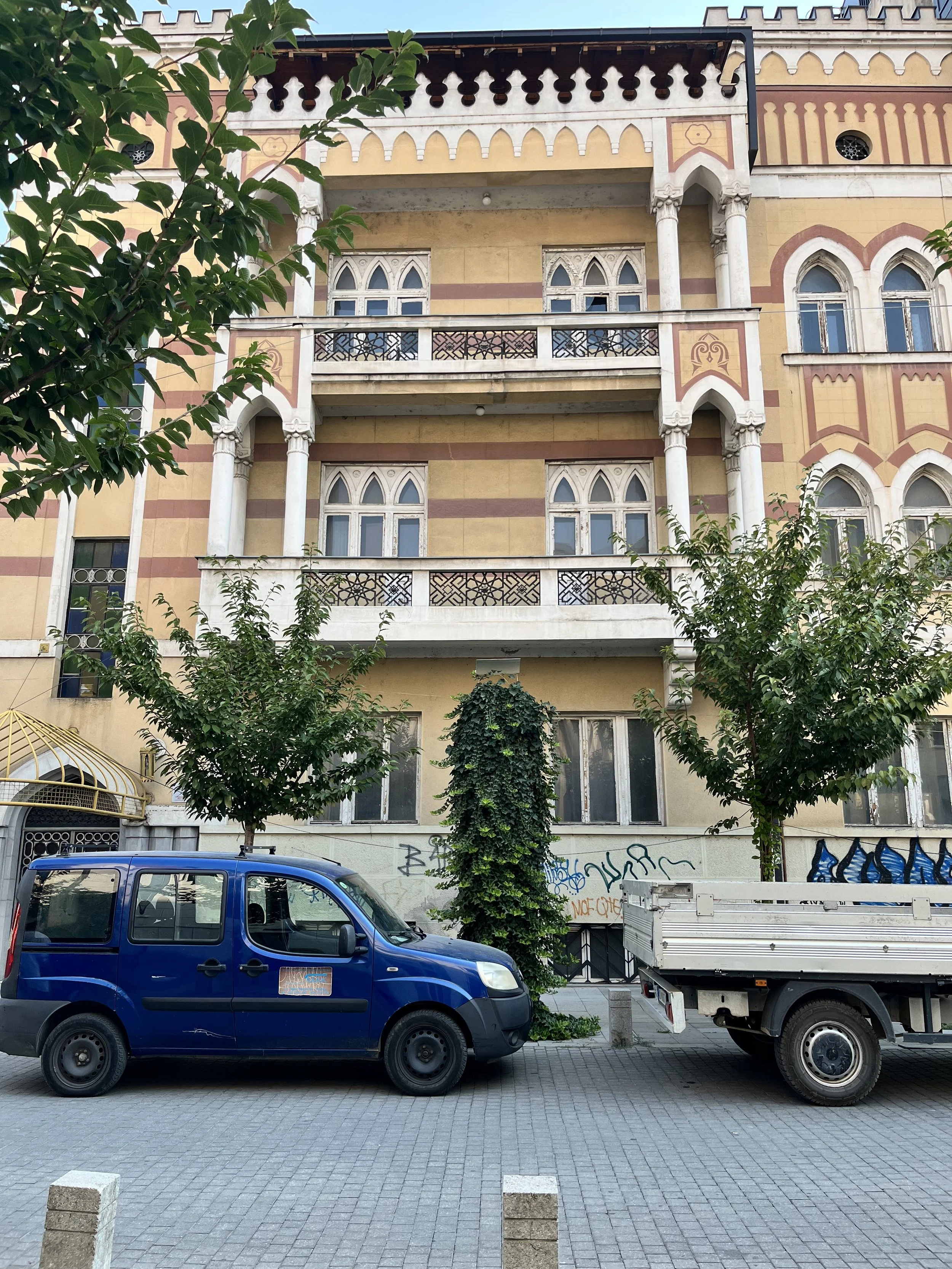
I kept stopping to look at the façades and architectural details, as well as the atmosphere of each street. I was even drawn to the Brutalist buildings, known for their raw concrete and bold geometric shapes. The term comes from the French béton brut, meaning “raw concrete”. Although the name sounds harsh, these buildings aren't necessarily intended to look brutal or ugly; their heavy, fortress-like forms have a striking, rustic beauty of their own.I also loved the natural scenery.
Mountains, lakes and beautiful landscapes provided a backdrop to everyday life, and the environment often felt less developed than what we are accustomed to in Australia. Of course, there are challenges that come with this. Infrastructure is more limited in some areas, with fewer public transport options and services that can be difficult to access.
But I was reminded of how much our surroundings contribute to our wellbeing. Green spaces, gardens, trees and the natural environment can offer a sense of calm. It reminded me of something I often consider when working with clients: bringing nature into our homes through plants, natural materials and views of greenery can make a space feel more inviting and connected to the world outside. Whenever possible, I like to include living plants in my interior projects because they bring life into a room, soften the space and create a connection with nature.
A different way of living
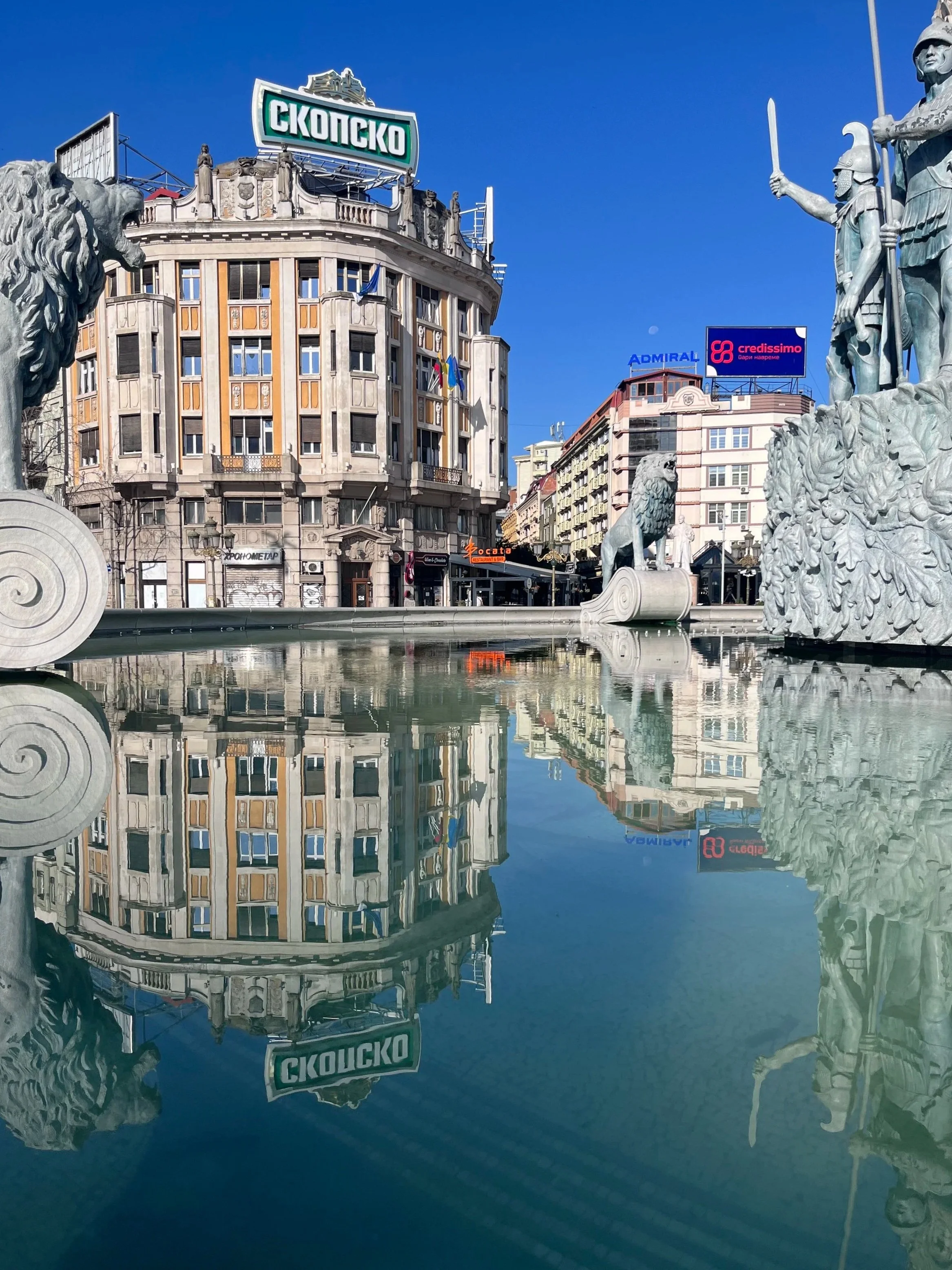
One thing that stayed with me most was how people live in the smaller apartments found in many European cities. Space is often limited, yet people find ways to make their homes functional, comfortable and personal. Furniture has to work harder in these little homes. Storage needs to be carefully considered and every square metre matters. It made me think about how often we assume a good home needs to be large, or that more space will automatically make life better. What I observed was a different way of approaching everyday life, where the surrounding neighbourhood becomes an extension of the home.
When you live in an apartment, the nearby park or community garden can become your backyard. Local cafés become places to meet friends, catch up over coffee and tea and build relationships with people in your neighbourhood. People sit together, talk, share food and take their time, with social connection woven into ordinary life rather than reserved for special occasions. I was struck by how much value people placed on family, friendships, food and spending time together.
Macedonia has experienced conflict and political turmoil, and many people still don’t have access to opportunities. Yet, in the conversations and everyday moments I experienced, I was reminded that a rich life isn't necessarily measured by the things we own. It can be found in a long conversation over coffee, a meal shared with family, the familiarity of a neighbourhood and the simple pleasure of being together.
I don't think this means one way of living is better than another, but it did make me question some of the assumptions we might carry about what we need to be happy. Sometimes, having less space or fewer “things” can help us cherish what is around us. This trip to Macedonia reminded me that happiness has everything to do with the relationships and experiences we nurture and put effort into.
Bringing that perspective home
Before leaving Australia, I had already been considering a possible move to an apartment in Melbourne’s inner north. The idea appealed to me for several reasons. It would allow my son Danny to attend a local high school, bring us closer to friends and make it easier for me to walk to the shops, cafés and other places I regularly visit.
I have been looking forward to the possibility of relying less on the car for everyday activities like grocery shopping and school drop-offs. Like many people, I spend a considerable amount of time sitting at my desk working, then driving Danny to sports and other activities. Walking more would give me more movement throughout the day. And with the cost of living continuing to increase, less money spent on fuel would be an advantage.
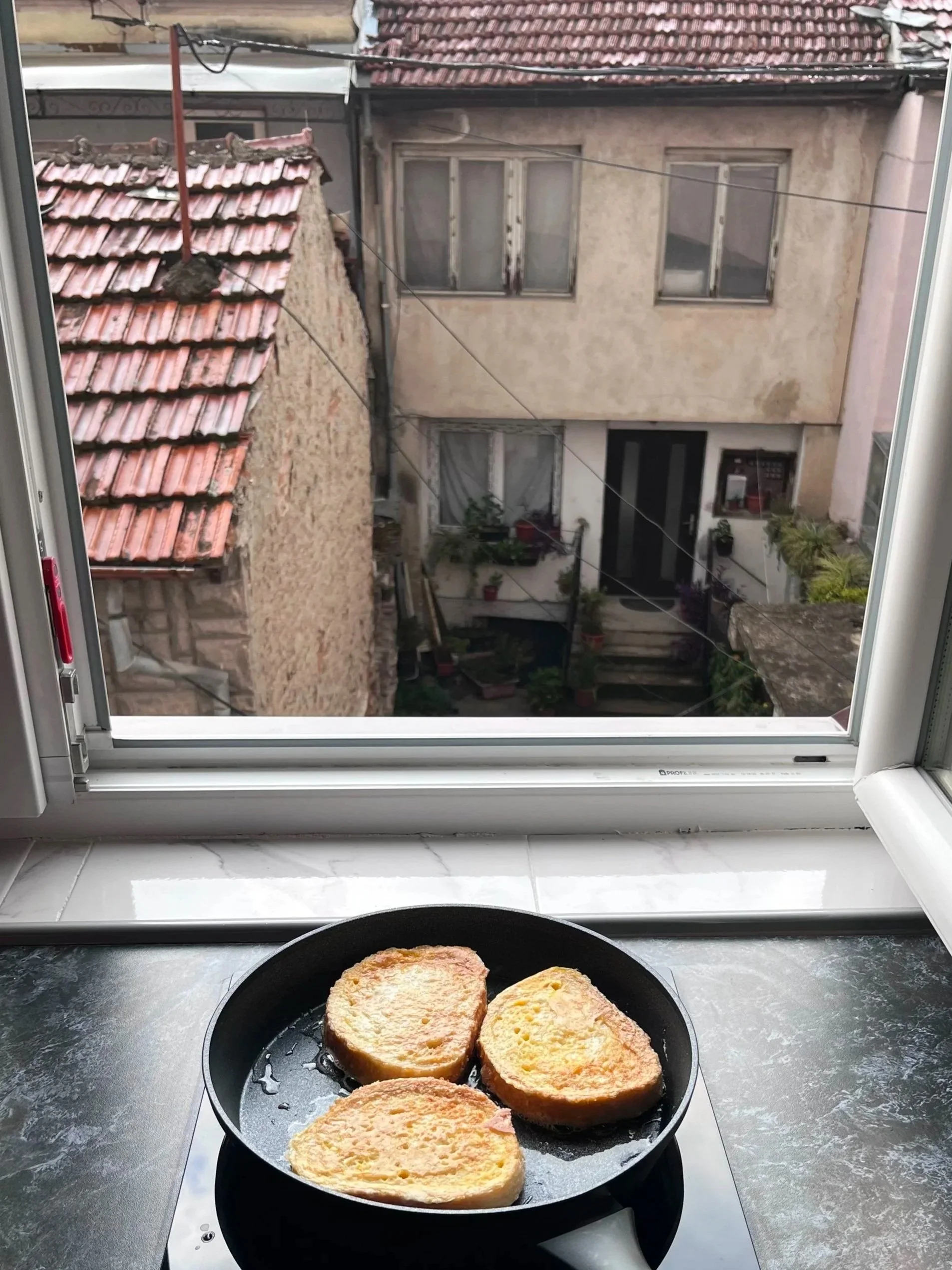
Our trip showed us a different way of living
Before my trip, I was still weighing up whether moving to Melbourne’s inner north was the right move for us. Coming back from Europe, I felt much clearer. Seeing how people make smaller homes work, and how their neighbourhoods become part of their everyday living space, helped me realise that apartment living could offer many of the things I was looking for. If people across Europe can create comfortable, fulfilling lives in smaller spaces, why couldn't I? It would simply mean being more thoughtful about how the space is used: making the layout work, choosing furniture carefully, creating practical storage and ensuring that the apartment feels warm, personal and comfortable.
These are things I already help my clients consider in their own homes, and now I have the opportunity to put that thinking into practice in my own life. The move is about more than choosing a different property. It is about creating a lifestyle that allows more time to connect with the people and places around us.
Perhaps that is one of the most valuable things travel can offer us: the chance to step outside our usual routines and return with a clearer understanding of what we want our lives to look like.
The things we carry with us
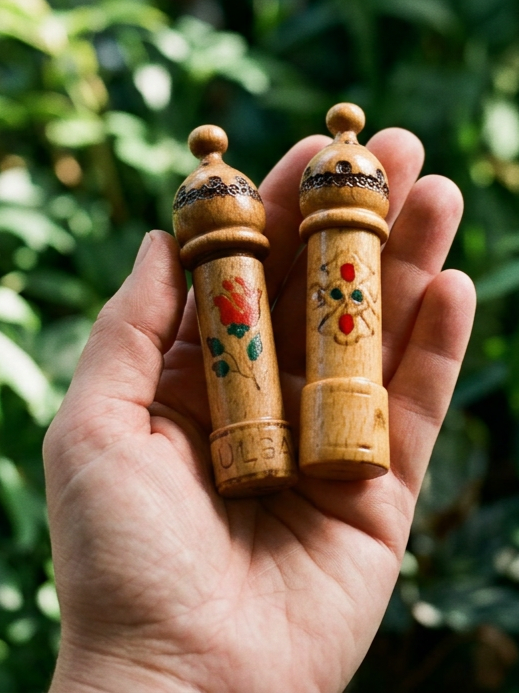
A treasured find - two vintage perfume holders that remind me of my childhood.
One of my favourite memories from the trip came from an unexpected discovery. When I was a little girl, my mother was given two hand-painted wooden perfume holders containing genuine rose perfume from Bulgaria, which borders Macedonia. Bulgaria is known for its top-grade rose oil. The bottles dated from the 1970s. My mother's aunt, who had married there, sent them to my mother with someone travelling from Macedonia to Australia. I can still remember the beautiful smell.
On my recent trip, while browsing a secondhand shop in Ohrid, Macedonia, I came across the same style of bottle. It was missing the perfume, but I bought it anyway because it brought back such a strong memory of my childhood and my mother. Then, in another city, I found another one – this time with the perfume still inside! Of course, I bought that one too. Both now sit on my dresser alongside my other perfumes. They are small objects, but they carry a powerful memory, a connection to my mother and a little piece of my family history.
Finding them reminded me how deeply objects can connect us to people and places. This is something I often ask my clients about when working on their interiors. Are there pieces they already own that mean something to them?
Perhaps a painting, a piece of furniture passed down through the family, a collection of ornaments or even a much-loved kitchen accessory. These possessions don't necessarily need to be expensive or fit neatly into a particular design style. What matters is the meaning they hold and the enjoyment they bring. When we thoughtfully incorporate these things into a home, we create spaces that feel personal rather than simply styled. A room can be beautiful, but it becomes something much more when it tells a story about the people who live there.
A renewed perspective on Essencia
These reflections have also brought me back to the heart of what I want Essencia Interiors to represent. For me, interior design has never been simply about creating a beautiful room. It's about understanding the people who will live there, how they want to feel, what matters to them and how their surroundings can support the life they want to lead. Sometimes that means rethinking a layout or making a small apartment work beautifully. Sometimes it means bringing together furniture and artwork a client has collected over many years. And sometimes it means helping someone discover their own style after a period of change.
The most meaningful interiors aren't necessarily the ones with the newest furniture or the most expensive pieces. They are the ones that feel considered, personal and connected to the people who call them home. My time in Macedonia reminded me of this in ways I hadn't expected. I returned with a deeper appreciation for the stories held within our homes, the importance of connection and the simple things that make everyday life feel rich.
I came back from my trip with a fresh sense of belonging, a different perspective on everyday life, and a clearer understanding of what home really means to me.
As I consider this next chapter for my own family, I find myself asking a different question: not just: “What kind of home do I want?” but also: “What kind of life do I want my home to make possible?”
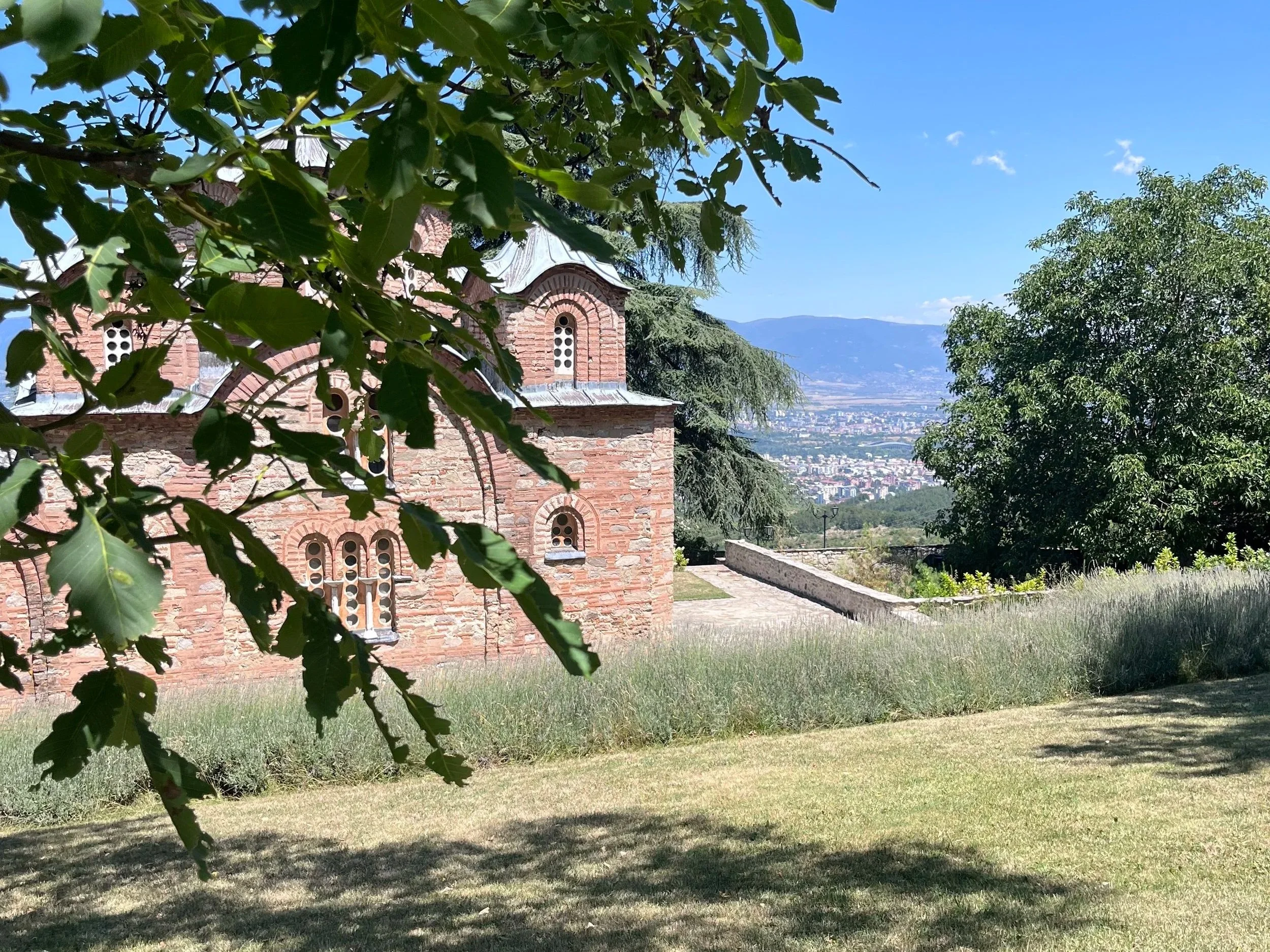
It's a question I believe is worth asking, wherever we live and whatever our circumstances. Because ultimately, a home should do more than look beautiful. It should feel like you, support the way you live, and give you a place to truly belong.
At Essencia Interiors, this is the philosophy that guides my work – creating thoughtful, personal spaces for you that truly feel like home.
Ready to Create a Home That Feels Like You?
Your home should reflect your lifestyle, your story and the way you want to live. Let’s explore how thoughtful design can bring that vision to life. Book your complimentary 30-minute consultation with Essencia Interiors and take the first step towards a home that feels beautifully, authentically yours.